

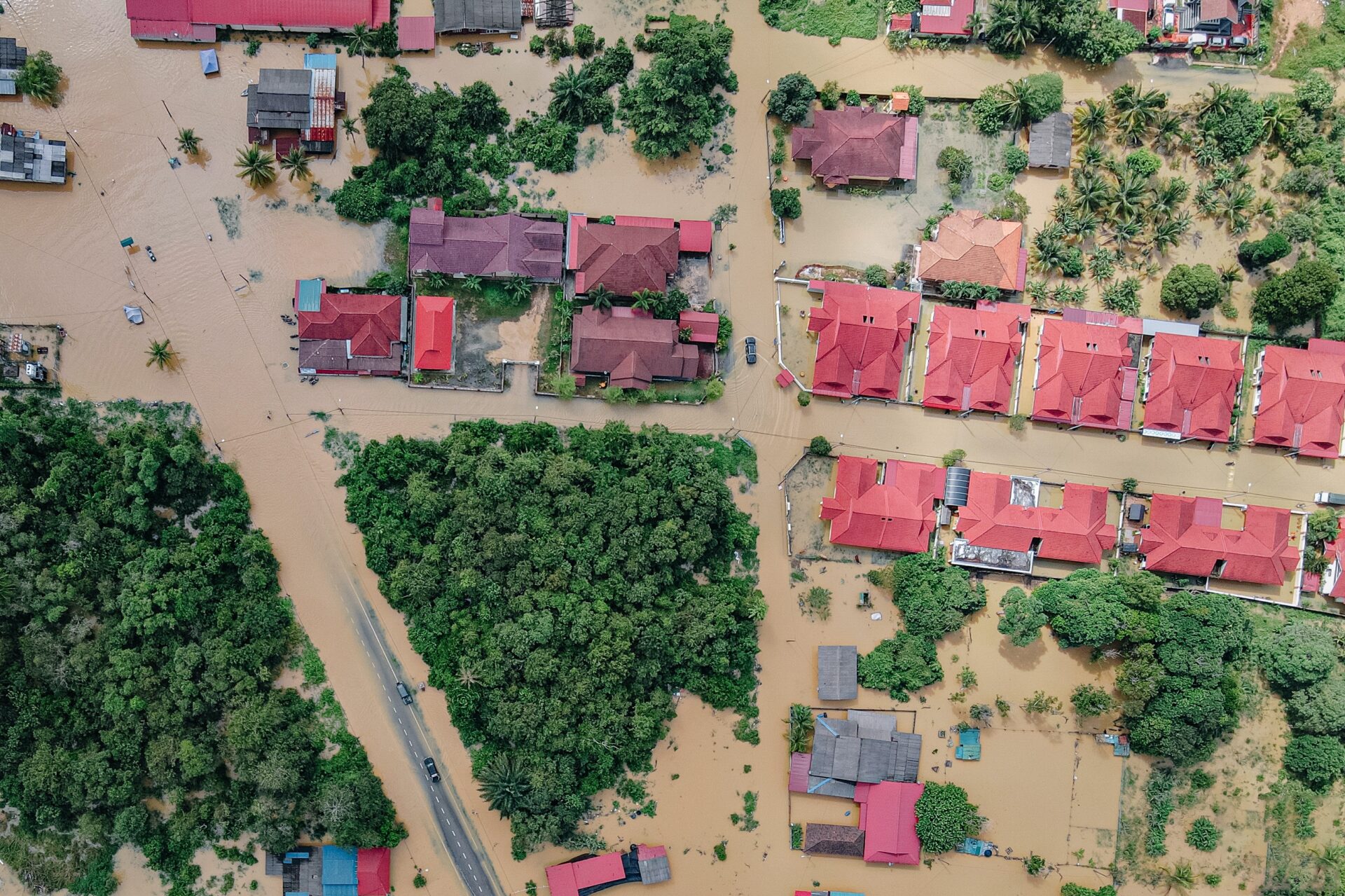
Much like the rest of the world, the UK has a natural catastrophe protection gap, where total economic losses exceed the total insured losses. Former Governor of the Bank of England, Mark Carney, worried a few Lloyd’s syndicates when talking about the ‘tragedy on the horizon’ at Lloyds in 2015. However, not much has materially changed since then in terms of closing the gap and reducing risk exposure.
Why is this? Are policyholders willingly exposing themselves to risk? Is there a lack of trust between the policyholder and the insurer? Or, perhaps, with the cost of everything else increasing, wallets are stretched too thin to cover?
Prospect theory – and more specifically, loss aversion – form the basis of the behavioural economics of insurance. Tversky and Kahneman found that psychologically, the pain of losing is about twice as powerful as the pleasure of gaining, which begs the question; why are people underinsuring their homes to climate and catastrophe risk, given the increasing frequency, duration and volatility of such events due to climate change? In the UK, we are less susceptible to large impact events such as tsunamis, earthquakes or wildfires. However, take a moment to think of the winter storms and summer heatwave temperatures that the UK faced back in 2022. Subsidence, escape of water and general weather events account for 48% of home insurance claims in the UK.
One could assume that the protection gap would be related to inflation, the cost-of-living crisis and a lack of financial support. However, in 2022, the average cost of home insurance was actually the lowest it has been for 10 years. Everyone loves a deal, but with a cheap home insurance policy you’ll often find that the insurer has stripped more and more out of the coverage to offer a cheaper price. You end up with an insufficient product that doesn’t cover you for anything. Insurance doesn’t equal protection.
The blame for the protection gap typically sits with customers for trying to get a great deal and not taking out sufficient cover. However, the protection gap is in fact a by-product of the knowledge gap. I personally hate taking my car into the garage due to my lack of knowledge on the subject matter of car mechanics. A knowledge gap between those buying and selling leads to trust issues. Trust which is then broken when the car still has a problem after paying for the works or when the claim is not approved after buying what you thought was a great deal policy. It is not a fantastic win-win model with annoyed policyholders that don’t renew as your key touchpoint has failed. Therefore, there is a shared responsibility to educate consumers, simplify the process and increase transparency on what they are actually buying. Only then will trust be gained and retained.
Insurtech is leading the way – not just in our ability to predict events, but also in our ability to assess damages after the fact. Levering technology can also simplify the process for consumers. Picture a climate protection product which offers a cash pay-out based on an approved severity of risk. This creates a climate risk management approach suitable for all parties, a simplified and transparent process for buying insurance, and an improved claims journey powered by technology – much of which you will be able to find in Claim Technology’s open insurtech marketplace. This can also lead to increased trust between the insurer and the policyholder.
If insurers would start treating policyholders with more care and minimise their customer turnover, building products that are fit for purpose and don’t break as soon as you want to use them, we really could begin to reduce the home insurance protection gap in the UK.


